
Learning to read
For Kids

Wā Pēpi: Babytimes
Wā Pēpi: Babytimes - enjoy stories and rhymes for babies and under 2s at home.
Wā Kōrero: Storytimes
Enjoy Wā Kōrero: Storytimes at your library!
Picture books newsletter
Fun reading for the young children in your life - subscribe to our monthly picture books newsletter and find out what's new.
Ready for reading
Important skills
There are six important skills that your child will need to learn to read. Children can begin to develop these skills from birth.
- Print motivation: interest and enjoyment in books.
- Vocabulary: beginning to know the names of things.
- Print awareness: noticing words on a page and understanding how to follow them, knowing how to hold and treat a book.
- Letter knowledge: recognising and naming letters, recognising letter sounds.
- Phonological awareness: awareness of sounds and rhymes and beginning to understand the link between written and spoken words.
- Narrative skills: describing things and events, learning how to tell stories.
Tips for sharing books
- Talk, sing or make noises with the pictures.
- Let the child turn the page.
- Show the front of the book.
- Create voices with the characters.
- Use child’s name or other, for the characters.
- Ask questions about the pictures and story.
- Make your own books.
- Make it a regular time.
![Download Ready for Reading booklet [2MB PDF]](https://my.christchurchcitylibraries.com/wp-content/uploads/sites/5/2022/08/Untitled-1.jpg)
How to read to children
What you need
- Children’s books
- Time
- Enthusiasm
General guidelines
- Position yourself so both you and the children are comfortable.
- Allow your listeners, especially younger children, a few minutes to settle down and get ready to hear the story.
- Mood is an important factor in listening. Create anticipation.
- Use plenty of expression and change your tone of voice to fit the dialogue.
- Adjust your pace to fit the story. During a suspenseful part, slow down, draw your words out and bring your listeners to the edge of their seats!
- Be enthusiastic. Read stories that you enjoy yourself – your dislike will show if you read books that you don’t like.
Why create readers?
- Readers are better writers.
- Readers get better jobs.
- Exposure to early reading experiences can increase IQ.
- Good readers acquire second languages more easily
What makes a good reader?
- Reading aloud to a child from birth.
- Modelling reading daily.
- Exposing them to books and stories.
How to help children love what they read
- Set an example – read what you love and love what you read.
- Slow down and find the time.
- Read aloud.
- Have books in lots of places.
- Don’t turn it into a vocabulary lesson.
- Read a variety of books.
- Go to the library and discover…
![Download Story Time Te Wā Kōrero booklet [21 MB PDF]](https://my.christchurchcitylibraries.com/wp-content/uploads/sites/5/2022/08/Capture-1-670x456.jpg)
Reading with preschoolers
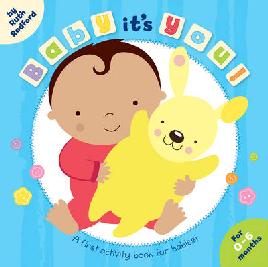 Babies (0 to 18 months)
- Black and white books (like our free Books for Babies) are best for very new babies, and then move onto brightly coloured books with definite contrasts between colours.
- Board books allow babies to handle (and chew) books without too much stress. They are available in a variety of sizes for both baby to hold themselves, caregivers to read and to be propped up beside the changing table.
- Look for books about families, food, getting dressed, toys, animals, cars, trucks and objects found around the home.
- Babies like faces.
- When looking at a book with your baby, point and name the object in the picture - talk about it.
- Rhymes, rhythm, repetition and sounds will all help your baby learn to speak and communicate. We have some of the rhymes we use in our babytimes on our website.
- Look for nursery rhymes and lullabies; lap games; hand, foot and finger games; books with flaps or holes; different textures to touch.
Books for babies
Toddlers (18 to 30 months)
- Board books are great, but try using books with paper pages, especially if the child is now used to books.
- Still look for bright colours and clear pictures.
- Look for books that are about things your child can do, see or knows about like families, animals and vehicles (don't forget some of the easy information books.)
- Recurring sounds or phrases are important and fun, as your child has reached the age when they like to imitate sounds, words or phrases.
- Look for concepts like opposites, colours, counting and the alphabet.
- Books to touch, feel and explore e.g. lift-the-flap.
- Keep the rhymes and rhythms going with actions, nursery rhymes and sounds.
Search our catalogue for books with flaps and picture books.
Books for toddlers
Preschoolers (30 months+)
- Look for simple stories with uncomplicated plots that invite you and your child to participate e.g. books that allow guessing like these animal books.
- Children of this age begin to develop self confidence and will show preference for books and topics. Let them choose books that they are interested in and seek out books that match their interests. It's free to reserve books on kids cards from our catalogue.
- Children are starting to develop social skills and may be interested in books that talk about love and family relationships, books about showing emotions and books about greetings and farewells.
- Children of this age really enjoy books that play a bit more with language and ideas - rhyme, repetition, silly or nonsense language.
- Look for simple counting, rhymes, poems and songs.
- Four-year-olds can attend a Learning Party and play some games that encourage early literacy skills.
Preschoolers
Building literacy skills at home
Helping your child to learn to read is not just about skills, it’s also about enjoyment, encouragement and developing confidence. Have fun!
Getting reading material
- Offer your child a wide choice of authors and types of books.
- Get your child their own library card.
- Visit the library regularly and let your child select some of their own books.
- Come along to the library storytimes.
Make reading a fun part of daily life
- Read to your child! Try to set aside a time devoted to shared reading every day and make it a special time you both enjoy – low pressure, cosy, comfortable and quiet.
- Use nursery rhymes, songs and finger plays to introduce early awareness of speech sounds. They boost language development and imagination, and help to foster an early understanding of sequence and story.
- With little ones, let them turn the pages and point to words and pictures while you’re reading. Use lots of expression on your face, different voices for different characters and sound effects.
- Let them see you reading, and enjoying it! Anything from recipes, newspapers, magazines, maps to novels. Encourage family members to talk about what they read and show that reading relates to real life.
- Suggest reading related to your child’s interests, whatever their age. Hobbies, television programmes, sports — anything that gets their attention.
Encourage storytelling
- Spend time talking about things you do, things you see, people you meet and so on. Talk about why and how you’re doing things around the house.
- Encourage your child to talk about her experiences. Really listen to them.
- Tell stories to your child and encourage her to tell you stories about outings or visits, or from their imagination. Write these stories into a book, which your child can illustrate and you can read together.
- When you are sharing a story, encourage your child to guess what will happen at various points. Before you begin the story, talk about the front cover and guess what the book might be about. Encourage your child to ask questions.
- Learning depends on repetition. Many stories and rhymes contain lots of repetition and your child will ask for favourites over and over again.
- Together, make scrapbooks about your family and special times you’ve shared.
- Collect pictures and have your child put them together to tell different stories.
More tips and conversation starters
- Make labels which your child can match to objects in his room or around the house or garden.
- Play card games such as snap and word games such as "I spy". Memory games will encourage your child to enjoy looking and remembering. Spot the difference games are great for concentration and memory too.
- Get your child to find street signs that start with a certain letter, or find words that start with the same letter sound (e.g. sss snake)
- Encourage "print recognition" in everyday situations (e.g. reading signs like 'Swimming pool', or 'library').
- Before you go to the supermarket, write a shopping list together. Give your child things to look for and tick them off as you go.
- Read the labels on packets of food and talk about where the food has come from.
- Try making up rhyming words e.g. cat-fat. It doesn’t matter if they are nonsense words.

Starting school
Explore resources to help get your child ready to start school, and to assist in choosing a school.
Decodable books
Decodables are aimed at those learning to read, helping readers sound out words.
For Adults

Literacy
Find literacy resources in the library collection, and adult literacy providers in Christchurch.
Online English Programmes
Active Reading
Improve your reading skills, Active Reading will help those learning English to read more efficiently and more confidently.
Practical Writing
Practical Writing is for students who need to use written English both in their studies and in their personal life.
Tense Buster
Improve your English with Tense Buster which helps learners with 33 key grammar areas at five levels.
